
مع استمرار ارتفاع الطلب على معالجة وتخزين البيانات، تسعى مراكز البيانات بشكل متزايد إلى حلول طاقة مستدامة وموثوقة لتشغيل عملياتها.
لم تعد مصادر الطاقة التقليدية مثل الوقود الأحفوري كافية بسبب تأثيرها البيئي، مما يجعل التحول إلى مصادر الطاقة المتجددة ضروريًا لتحقيق الاستدامة على المدى الطويل.
التحول إلى الطاقة الخضراء لا يقتصر فقط على تقليل انبعاثات الكربون، بل يشمل أيضًا تحقيق استقرار وأمان الطاقة، خصوصًا لتلبية احتياجات الحوسبة عالية الكثافة مثل:
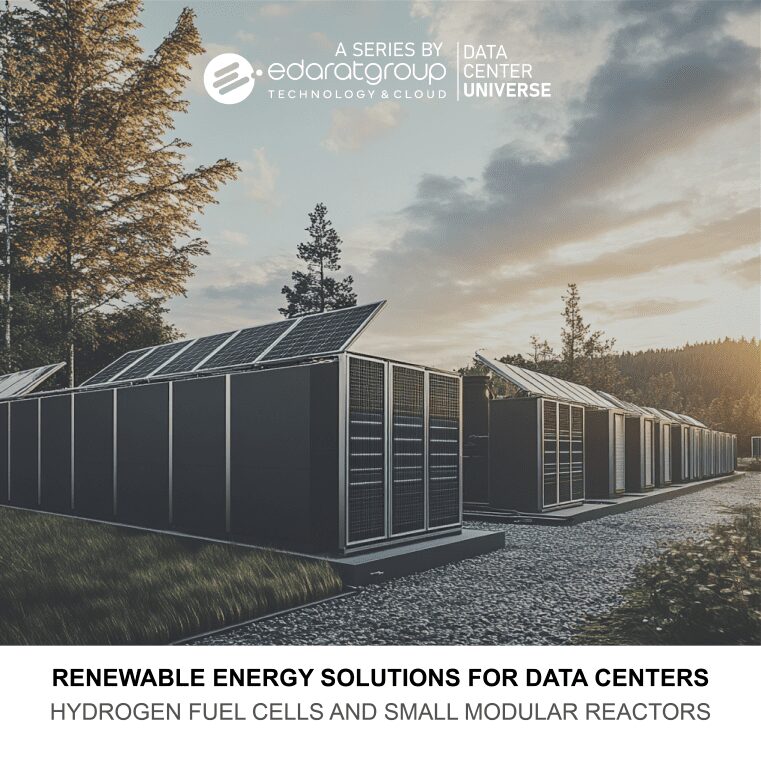
من بين التقنيات الناشئة، تُظهر خلايا الوقود الهيدروجينية (Hydrogen Fuel Cells) والمفاعلات الصغيرة المعيارية (SMRs) إمكانات كبيرة وتُعتبر حلولًا واعدة لتحقيق مراكز بيانات محايدة للكربون.
تقدم خلايا الوقود الهيدروجيني مسارًا واعدًا لمراكز البيانات التي تسعى لتقليل بصمتها الكربونية.تولد هذه الخلايا الكهرباء من خلال تفاعل كيميائي بين الهيدروجين والأكسجين، مع إصدار الماء والحرارة فقط كنواتج ثانوية.
يمكن لهذا المصدر النظيف للطاقة أن يكون حلًا موثوقًا للنسخ الاحتياطي للطاقة في مراكز البيانات التي تعتمد تقليديًا على مولدات الديزل.
التحول نحو الهيدروجين كتقنية رئيسية في انتقال الطاقة مدعوم باستثمارات كبيرة. تشير تقارير الصناعة من مجلس الهيدروجين إلى أنه من المتوقع استثمار أكثر من 300 مليار دولار في مشاريع الهيدروجين بحلول عام 2030.
يعكس هذا الاستثمار الاهتمام المتزايد بإمكانات الهيدروجين في إزالة الكربون من قطاعات مثل مراكز البيانات، بما يتماشى مع الأهداف الأوسع لشركات التكنولوجيا الكبرى مثل Google وAmazon.
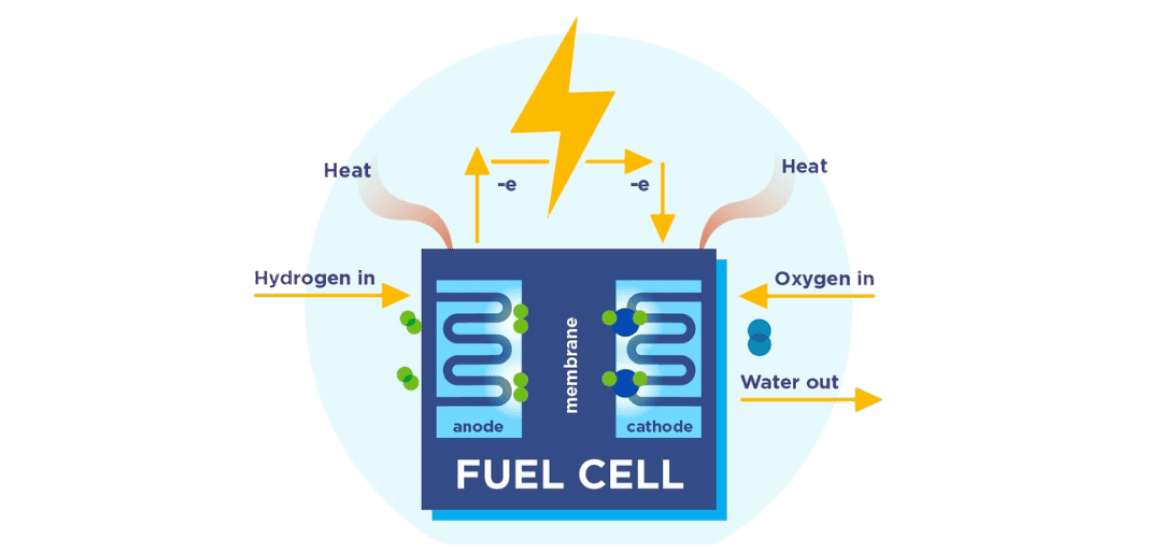
يمثل الهيدروجين الأخضر وخلايا الوقود مستقبلًا واعدًا لتحقيق حلول طاقة مستدامة.
يتم إنتاج الهيدروجين الأخضر من خلال التحليل الكهربائي للماء باستخدام مصادر طاقة متجددة (مثل الطاقة الكهرومائية، الرياح، أو الشمس)، مما ينتج عنه غاز الهيدروجين بدون انبعاثات كربونية.
خلايا الوقود، من ناحية أخرى، هي أجهزة تحول الطاقة الكيميائية من الهيدروجين مباشرة إلى كهرباء دون إصدار أي غازات دفيئة.
على الرغم من أن الهيدروجين يحتوي على طاقة عالية جدًا، بحوالي 33.33 كيلوواط ساعة لكل كجم، فإن الطاقة الفعلية القابلة للاستخدام تعتمد على كفاءة عملية التحليل الكهربائي، وخلايا الوقود، وظروف التشغيل.
النظامان الأكثر شيوعًا هما:
📌 طورت شركة SPARK دراسة مفصلة عن إنتاج الهيدروجين يُنصح بقراءتها لمزيد من المعلومات.
🪟شركة Microsoft
نجحت Microsoft في اختبار خلايا الوقود الهيدروجيني، حيث زودت مركز بيانات بالطاقة لمدة 48 ساعة.
تؤكد هذه الاختبارات إمكانات الهيدروجين في تقليل انبعاثات الكربون وتوفير طاقة نسخ احتياطي طويلة الأمد.
🏢 شركة Equinix
تستكشف Equinix نشر خلايا الوقود الهيدروجيني في مركز بياناتها في دبلن بالتعاون مع ESB وGeoPura.
تم عرض وحدة طاقة الهيدروجين (HPU) من GeoPura في موقع Equinix بدبلن، مما يعطي لمحة عن مستقبل بتكنولوجيا خالية من الكربون.
يمكن لوحدة الطاقة الهيدروجينية توفير:
على الرغم من أن هذا العرض التوضيحي ليس حلاً دائمًا بعد، تخطط Equinix بنشاط لتوسيع استخدام تكنولوجيا خلايا الوقود الهيدروجيني في السنوات القادمة لدعم البنية التحتية الرقمية المستدامة.
أكد بيتر لانتري، المدير الإداري لشركة Equinix في أيرلندا، التزام الشركة بالحلول المحايدة للكربون من خلال هذه المبادرة.
تهدف GeoPura، المعروفة بحلول الوقود الهيدروجيني، إلى استبدال مولدات الديزل بوحداتها التي تعمل بالهيدروجين في صناعات متعددة، مما يسهم في انتقال أوسع نحو الطاقة المتجددة.
استخدام خلايا الوقود الهيدروجيني في مراكز البيانات لديه القدرة على دعم بيئات الحوسبة الكبيرة مع تأثير بيئي ضئيل.
مع التقدم في تكنولوجيا خلايا الوقود، قد تصبح أنظمة النسخ الاحتياطي التي تعمل بالهيدروجين مكونًا رئيسيًا في بنية مراكز البيانات التحتية، متماشية مع أهداف الاستدامة وتقليل الاعتماد على الوقود الأحفوري.
لا تزال هناك تحديات مثل تخزين الهيدروجين، والبنية التحتية، وتكاليف الإنتاج، مما يتطلب المزيد من البحث والتطوير.
تتطلب خلايا الوقود الهيدروجيني إدارة دقيقة بسبب الطبيعة القابلة للاشتعال للهيدروجين.
الحلول التي تدمج أنظمة سلامة متقدمة وعمليات تحكم مهمة جدًا لتأمين إنتاج وتخزين الهيدروجين على نطاق واسع.
وهذا مهم بشكل خاص مع انتقال مراكز البيانات لاستخدام الهيدروجين كمصدر طاقة رئيسي أو احتياطي، لضمان سلامة العمليات أثناء التوسع لتلبية الطلب.
الطاقة النووية هي مصدر طاقة موثوق وخالي من الكربون، توفر طاقة مستمرة وعلى نطاق واسع. على عكس الطاقة الشمسية أو طاقة الرياح، لا تتأثر بالظروف الجوية، مما يضمن استقرار إنتاج الطاقة.
مع استمرار مراكز البيانات في استهلاك كميات هائلة من الكهرباء، تبرز الطاقة النووية كحل طاقة تحويلي، تساعد على تلبية الطلب المتزايد للطاقة مع تقليل البصمة الكربونية ودعم مستقبل أكثر استدامة.
على الرغم من وجود تحديات مثل إدارة النفايات المشعة ومخاوف السلامة العامة، فإن المفاعلات النووية الحديثة مصممة بإجراءات سلامة متقدمة وتقنيات إعادة تدوير النفايات لتقليل هذه المخاطر.
تظهر المفاعلات الصغيرة المودولارية (SMRs) كحل طاقة مفضل لمراكز البيانات الكبرى (hyperscalers) ومراكز البيانات المدفوعة بالذكاء الاصطناعي.
على عكس المحطات النووية التقليدية الكبيرة، تقدم SMRs:
✅ إنتاج طاقة مستقر وموثوق
✅ انبعاثات كربونية أقل
✅ حجم مادي صغير ومكثف
✅ قابلية التوسع لدعم مصادر الطاقة المتجددة المتقطعة مثل الرياح والطاقة الشمسية
بدمج SMRs، يمكن لمراكز البيانات ضمان طاقة نظيفة ومتواصلة حتى خلال الأحمال العالية للحوسبة أو فترات تقلب إمدادات الطاقة المتجددة.
عالم مراكز البيانات (الطبعة السابعة): دليل تقارير الاستدامة
تُعتبر SMRs بديلاً أصغر وقابل للتوسع مقارنة بالمفاعلات النووية التقليدية، مصممة خصيصًا لتوليد ما يصل إلى 300 ميجاوات كهرباء (MWe) — مثالية لتوليد الطاقة المحلية، بما في ذلك مراكز البيانات.
تتكون كل وحدة مودولارية من:
🔹 قلب المفاعل
🔹 قضبان التحكم لإدارة تفاعلات الانشطار
🔹 مولد بخار لتحويل الطاقة
العملية كما يلي:
1️⃣ يحدث الانشطار النووي، حيث تنقسم نوى الذرات لإطلاق الطاقة.
2️⃣ تقوم الطاقة بتسخين الماء لتكوين البخار.
3️⃣ يدير البخار التوربين المتصل بالمولد لإنتاج الكهرباء.
على عكس المفاعلات التقليدية، تُصنع SMRs في المصانع وتُنقل للمواقع للتجميع، مما يسرع عملية النشر ويوفر في التكاليف.
باستخدام تكنولوجيا SMR، يمكن لمراكز البيانات تحقيق حلول طاقة مستدامة، مستقرة، وقابلة للتوسع، مما يجعلها ركيزة أساسية في الانتقال نحو بنية تحتية رقمية محايدة للكربون.
حجمها الأصغر يسمح بميزات أمان محسنة، مثل أنظمة التبريد السلبية التي لا تتطلب تدخل نشط لإدارة الحرارة، مما يقلل من خطر ارتفاع درجة الحرارة. بالإضافة إلى ذلك، توفر SMRs مرونة في النشر، مما يجعلها مناسبة لتوفير طاقة ثابتة وخالية من الكربون للشبكات الصغيرة أو المنشآت المحددة مثل مراكز البيانات.
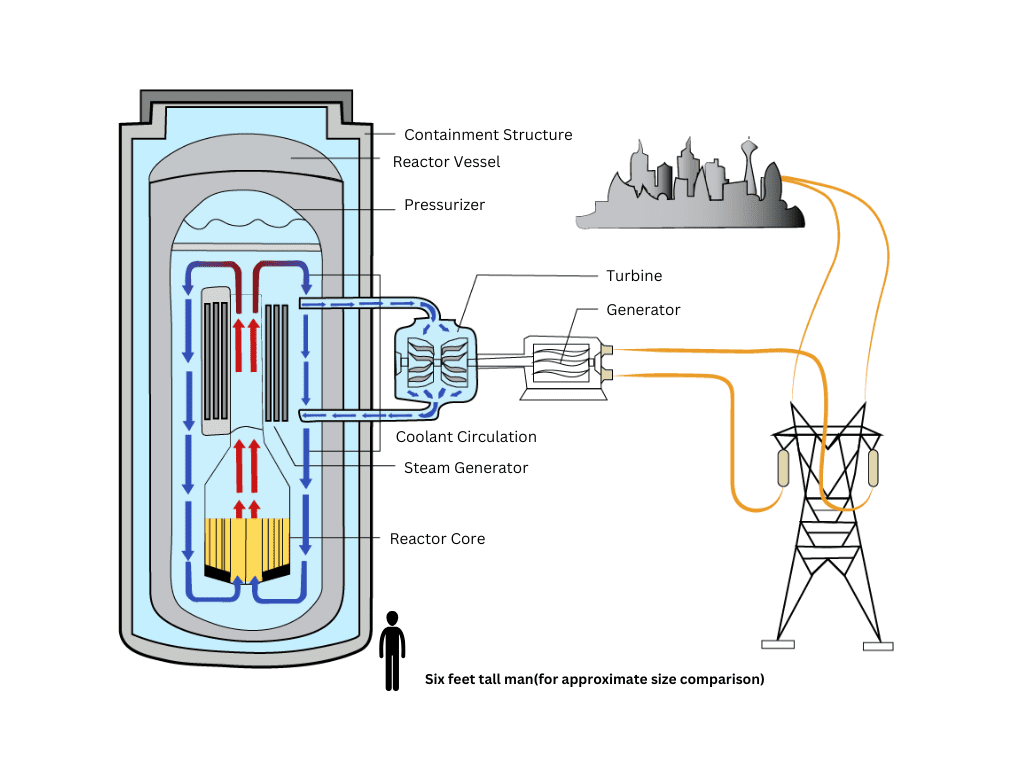
📌 الشكل 4 – وثائق وزارة الطاقة (GAO-15-652)
الشركات الرائدة التي تستثمر في SMRs
🔍جوجل
Google has partnered with Kairos Power to integrate SMR technology into its data centers.
The company aims to add 500 MW of 24/7 carbon-free power to U.S. electricity grids by 2030, with further expansion by 2035.
⚡Standard Power
Standard Power plans to develop two SMR-powered facilities in Ohio and Pennsylvania, scheduled to be operational by 2029.
These projects will produce nearly 2 GW of clean energy using NuScale Power’s certified SMR technology.
☁️Amazon Web Services (AWS)
AWS is actively exploring Small Modular Reactors (SMRs) to power its expanding data center operations.
The deployment of hydrogen fuel cells and SMRs offers several advantages for data centers:
Energy Reliability
Both hydrogen fuel cells and SMRs can provide consistent and reliable power, minimizing the risks of outages that could disrupt data center operations.
Sustainability
These technologies significantly reduce carbon emissions compared to fossil fuels, helping data centers achieve their sustainability goals.
Scalability
SMRs in particular, offer a scalable solution for localized power generation, enabling data centers to adjust capacity based on energy needs while maintaining a lower environmental impact.
While hydrogen fuel cells excel as backup power sources, SMRs are poised to address the challenge of providing a stable baseload for larger data center operations. The combination of these technologies offers a holistic approach to renewable energy integration, positioning data centers as leaders in the transition to a sustainable energy future.
The potential of nuclear-powered electrolysis for hydrogen production is gaining significant attention.
A recent study conducted by Topsoe, Rolls-Royce SMR, ULC-Energy, and KYOS explored the use of Solid Oxide Electrolysis Cells (SOECs) powered by SMRs to produce clean hydrogen at a cost of less than €3.5/kg ($3.8/kg).
The study revealed that SOECs could produce more hydrogen per total power input compared to conventional electrolyzers. The combination of SMRs with SOECs presents an opportunity to deliver higher hydrogen output annually due to their enhanced efficiency.
This approach leverages steam from SMRs, which can be directly supplied to SOEC plants through heat exchangers, significantly increasing the efficiency of the electrolysis process.
Dirk Rabelink, CEO of ULC-Energy, emphasized that this method showcases nuclear power’s capability to produce “low-cost, clean hydrogen at an industrial scale.”
The study also indicates that by 2050, the cost of SMR-SOEC hydrogen production could be reduced to less than €2/kg ($2.17/kg).
This potential cost reduction is attributed to the flexibility in curtailing hydrogen production during periods of high electricity demand, allowing excess energy to be redirected to the grid.
As renewable energy sources like wind and solar become more prevalent, the ability to adapt hydrogen production in response to market conditions will be increasingly valuable.
This advancement in nuclear-powered hydrogen production, alongside ongoing hydrogen fuel cell developments, positions the data center industry to benefit from cleaner and more efficient energy sources.
By integrating these technologies, data centers can better meet their growing energy needs while staying aligned with global decarbonization goals.

The cost of electricity varies significantly depending on the energy source, location, and technological advancements. Understanding these costs is crucial for data centers, which are energy-intensive operations, to make informed decisions on energy sourcing that align with sustainability goals.
Renewable sources like solar and wind have seen a drastic decrease in costs over the past decade due to advancements in technology and increased deployment. As of recent estimates, the levelized cost of electricity (LCOE) from solar PV and onshore wind is now competitive with, or even lower than, that of traditional fossil fuels in many regions. Solar PV for instance can produce electricity at costs as low as $0.05 per KWh in optimal conditions, making it an attractive option for powering green hydrogen production and data centers.
The cost of producing hydrogen through electrolysis is heavily dependent on the cost of electricity used. Electrolysis using renewable energy sources like wind or solar is essential to maintain the “green” classification of hydrogen. Studies suggest that using nuclear-powered electrolysis through Solid Oxide Electrolysis Cells (SOECs) could produce hydrogen at less than €3.5/kg ($3.8/kg) making it a potentially cost-effective option for data centers seeking to integrate hydrogen as a fuel source.
Small Modular Reactors (SMRs) are designed to provide stable, carbon-free baseload power, with costs estimated to range between $90-160 per MWh depending on the region, capacity and regulatory environment. Though initial capital costs for SMRs can be higher than other sources, their long operational life and ability to provide consistent energy make them a competitive choice for industries like data centers that require uninterrupted power.
Despite their environmental impact, fossil fuels such as natural gas and coal have traditionally been reliable sources of electricity. However, the volatility of fuel prices, along with carbon pricing mechanisms, has led to higher operational costs for coal and natural gas power plants in recent years. This makes renewable and nuclear options increasingly attractive for data centers aiming for long-term energy stability.
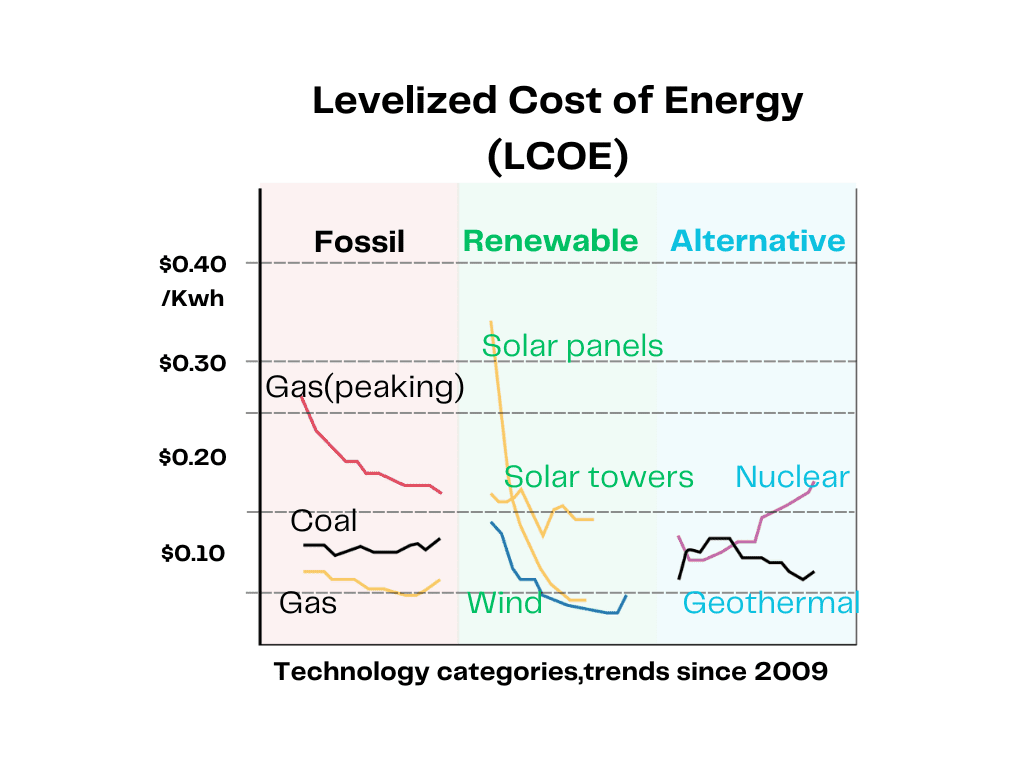
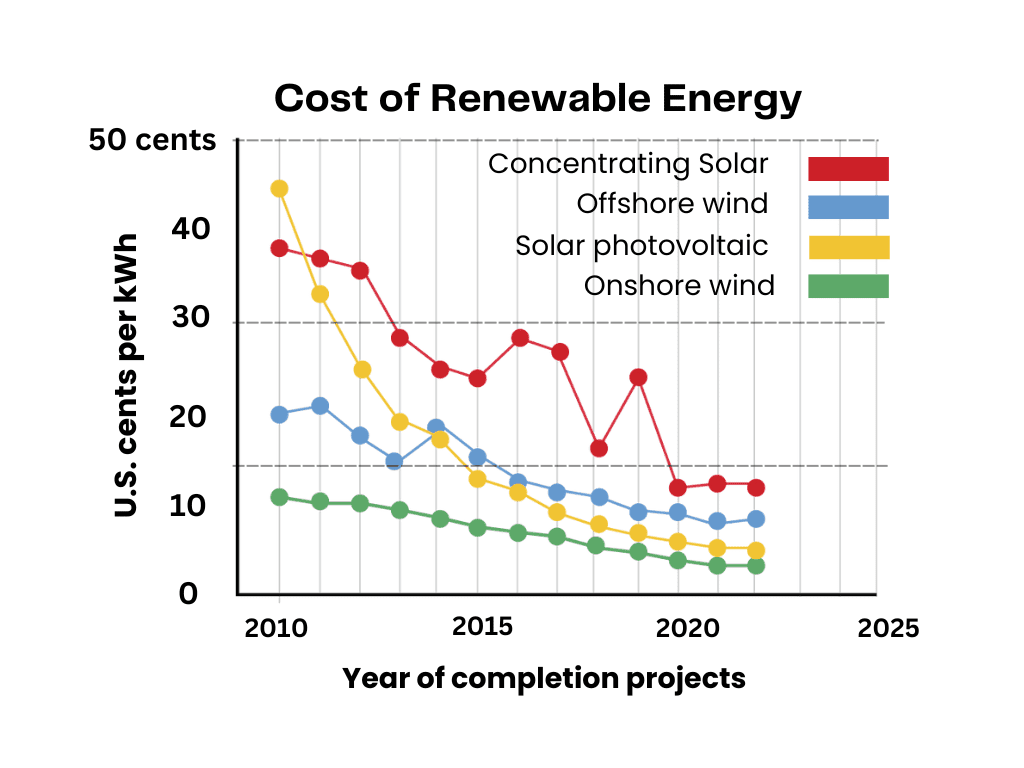
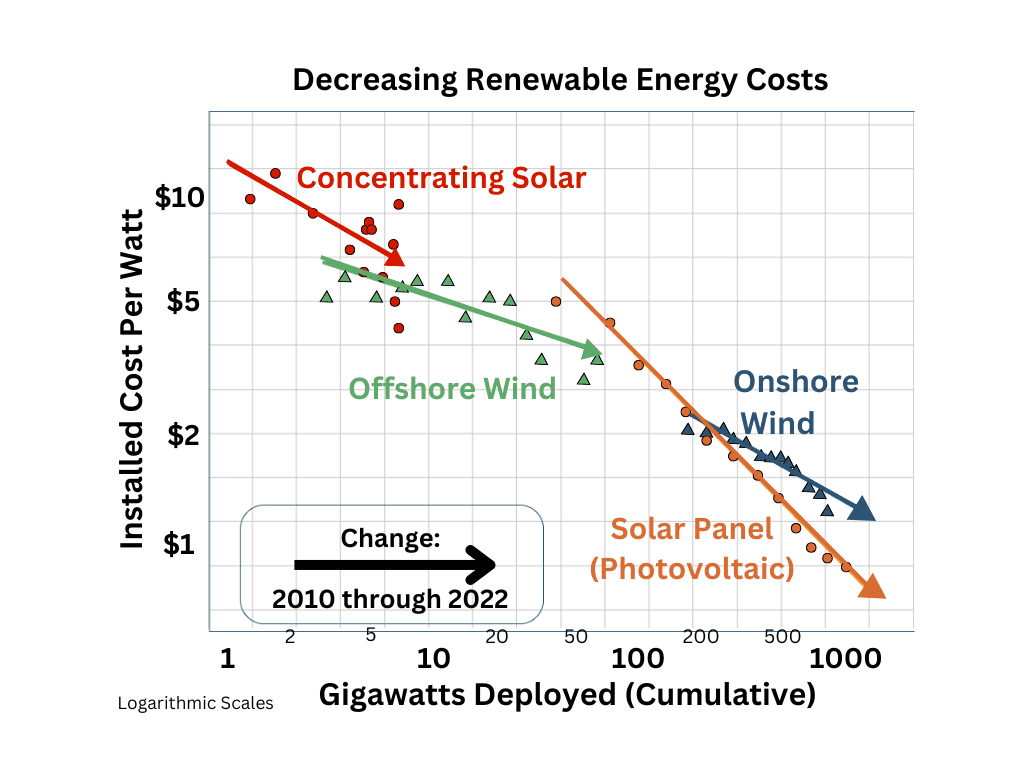
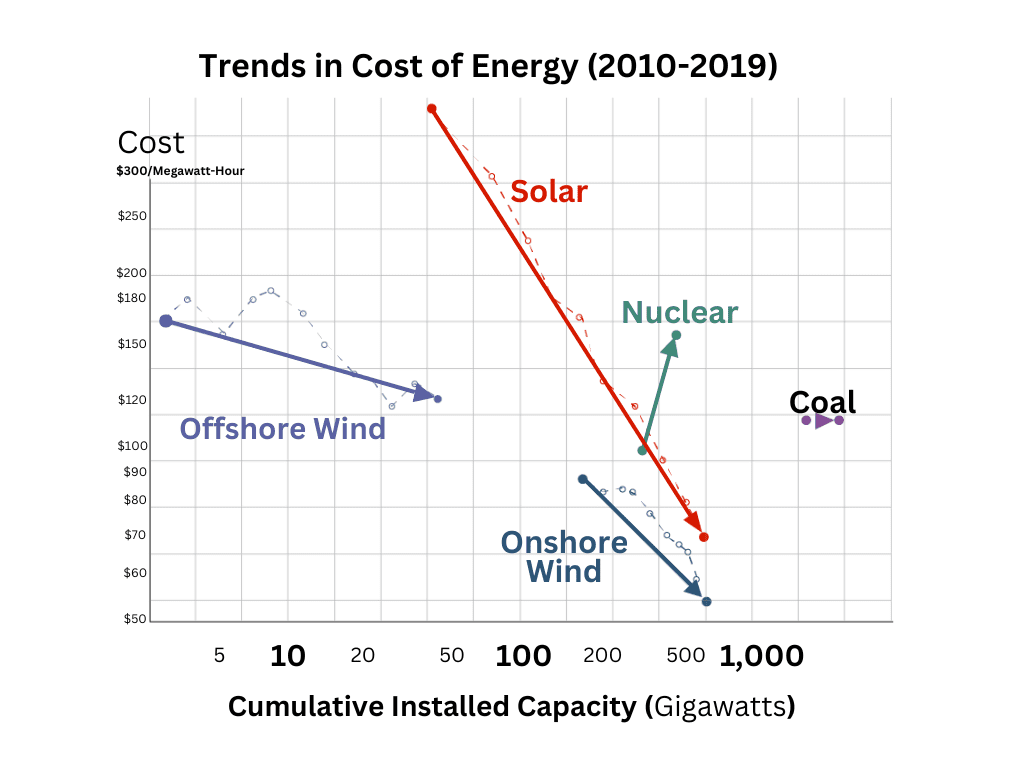
Understanding the relative costs of these energy sources enables data centers to select a power mix that balances economic and environmental considerations. As the energy landscape continues to shift, technologies like hydrogen production from renewable sources and nuclear-powered SMRs offer new pathways for achieving a sustainable and cost-effective energy supply.
Despite their potential, there are challenges in the widespread adoption of hydrogen fuel cells and SMRs. The production and storage of hydrogen require significant investment in infrastructure, while SMRs face regulatory hurdles and high initial costs.
However, as the energy industry evolves, partnerships like those between Google and Kairos Power, and Standard Power and NuScale, demonstrate the feasibility and long-term benefits of these advanced energy solutions.
With continuous advancements and strategic investments, hydrogen fuel cells and SMRs could become pivotal in meeting the growing energy needs of data centers, supporting both the industry’s expansion and its commitment to a carbon-free future.
While hydrogen fuel cells provide a flexible backup solution, SMRs are designed to address the need for stable baseload power in larger data center operations.
Modular solutions, such as standard containerized hydrogen production units, can facilitate faster deployment. This modularity allows data centers to quickly adapt to energy needs, ensuring a scalable and efficient transition to clean power sources.